

1.35 million watched the film. 1,560 booked. 1,170 sat down with a cardiologist.
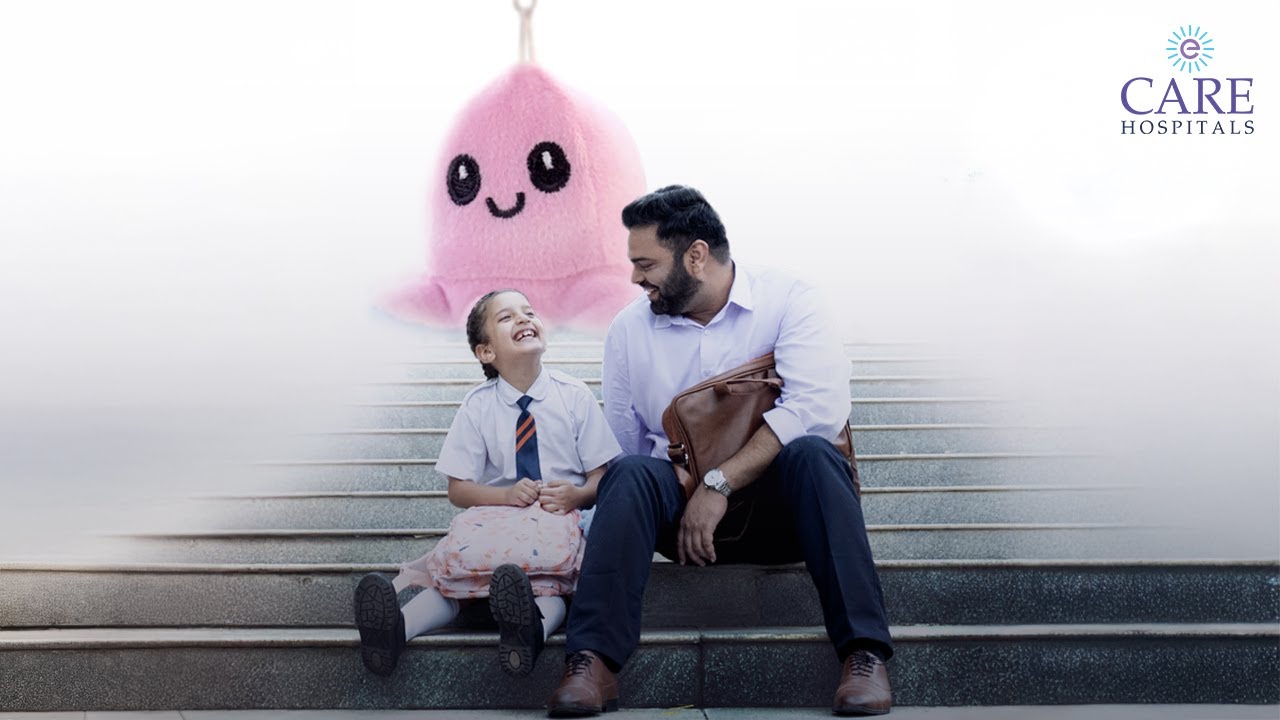
On 28 September 2024, ahead of World Heart Day, CARE Hospitals released My Pet Octopus: a film about a father and his daughter, and about what it means to look after yourself when other people depend on you. It carried one unusual fact. An octopus has three hearts. You have one.
It landed into a country where cardiovascular disease is a leading cause of death and where almost everybody already knows what they are supposed to do about it. Exercise, diet, check-ups. The information gap closed years ago. What persists is the postponement, and no amount of public health messaging has solved that by repeating the information louder.
CARE had genuine depth behind the film: cardiology consultations, diagnostics, interventional procedures, cardiac surgery. But a film and a hospital are two different things, and the distance between them is where most healthcare awareness campaigns quietly end. Somebody watches, feels something, shares it, and nothing in their life changes. They do not learn when a symptom warrants advice, which service would help, or what happens if they call.
And a hospital cannot close that distance the way a retailer would. You cannot retarget somebody because they read about chest pain. You cannot promise that a screening will keep them well. The ordinary mechanics of performance marketing are either unavailable or inappropriate, and most of them are both.
So the question was how an emotional film becomes a cardiology appointment that somebody actually attends, without the campaign ever behaving as though a person's health were a conversion event.
REACHING PEOPLE THROUGH EVERYDAY EXPERIENCE
Family and lifestyle audiences
Adults engaging with family content, general wellness and healthy living. The message was the story and the idea of staying well for the people around you, pitched as education rather than as an assumption about anybody's condition.Health and wellness information seekers
People already consuming fitness, nutrition and preventive content, met with approved material on how everyday habits affect cardiovascular health. The aim was informed decisions, not a suggestion that every viewer needed a test.Active healthcare service seekers
People searching for cardiology services, specialists or heart check-ups, reached through relevant terms and contextual placements. These are the only people in the campaign who were already looking, so they got practical detail: location, specialties, appointment options, how to contact the hospital.
TAKING THE FILM BEYOND WORLD HEART DAY
Make the story impossible to ignore
Distribution of the original film on YouTube, Instagram and Facebook, with approved excerpts adapted per placement. The advertising led with the father and daughter, never with a facility or a treatment, and let the octopus comparison land as the closing thought. For anyone who wanted more, there was a route to CARE's heart health information.Move from emotion to education
After World Heart Day, content on physical activity, nutrition, cardiovascular risk factors and recognising when medical advice is appropriate, all clinically reviewed before distribution. Short-form guidance and doctor-led explanation rather than alarming statistics, because fear-based health advertising produces anxiety reliably and appointments rarely.Support appropriate patient action
As the campaign matured, appointment-focused advertising concentrated on audiences independently showing interest in cardiology services. Google Search took a larger share, introducing the department, the doctors and consultation options, with location campaigns helping people find the right CARE facility in Hyderabad.
FROM A TOUCHING STORY TO A PRACTICAL MESSAGE
One Heart. Many Reasons to Care.
The emotional thread extended, using approved excerpts to connect personal wellbeing with the people who depend on you, and prompting reflection on everyday habits without making any viewer feel diagnosed.A Healthier Heart Starts with Everyday Choices.
Practical, medically reviewed content on activity, nutrition, managing known risk factors under professional guidance, and when to see a doctor. Useful even to somebody who would never book anything.Questions About Your Heart? Speak to a Specialist.
For people already exploring cardiology services: the specialists, the consultation pathways, how to book. Access to professional evaluation, never a promise of a diagnosis or an outcome.

CONNECTING PEOPLE WITH THE RIGHT SERVICE
Cardiology service searches
General searches for consultations, heart specialists and cardiac care in Hyderabad, directed to the relevant hospital information.Hospital and location searches
People looking specifically for CARE, the cardiology department or a facility, given appointment and contact information without a detour.Preventive healthcare information
Informational searches about heart health and preventive consultations, routed to educational resources rather than pushed towards a booking they had not asked for.
MAKING HEART CARE EASIER TO UNDERSTAND
What services are available?
Cardiology consultations, cardiac diagnostics and the relevant specialties, legible without clinical vocabulary.How do I find the right doctor?
Cardiologist profiles and the appointment process attached to them.Which location should I visit?
The relevant CARE facilities in Hyderabad with contact information.How do I book?
Clear routes into approved booking channels.What should I expect?
The general consultation process, and the importance of following medical advice.

RESPONSIBILITY, AND WHAT WAS ACTUALLY COUNTED
| Metric | Sep to Nov 2024 |
|---|---|
| Media investment | ₹1,080,000 |
| Impressions | 4,200,000 |
| Video views | 1,350,000 |
| Educational and service page visits | 68,400 |
| Appointment requests | 3,150 |
| Confirmed appointments | 1,560 |
| Completed patient visits | 1,170 |
| Confirmed appointment attendance rate | 75.0% |
| Cost per confirmed appointment | ₹692.31 |
| Cost per completed patient visit | ₹923.08 |
| Service category | Completed visits |
|---|---|
| Cardiology consultations | 750 |
| Preventive cardiac assessment visits | 420 |
| Total | 1,170 |
A hospital campaign that counts enquiries has not met a single patient.
MEASURE THE VISITRESPONSE WITHIN ONE BUSINESS DAY